
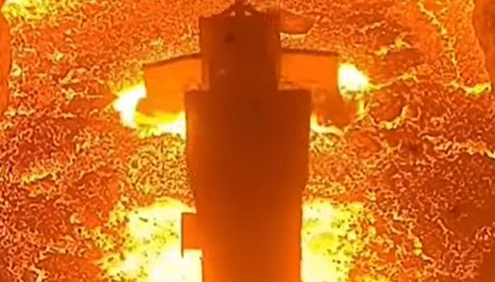
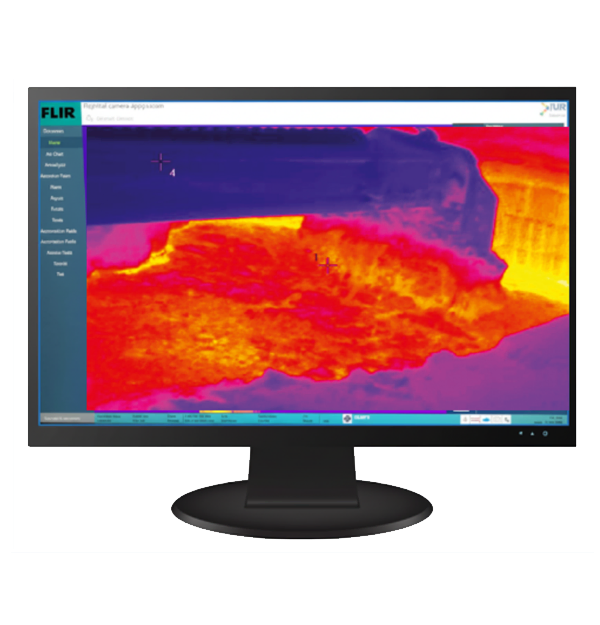
During the melting process, slag a by-product of oxides and impurities, separates from the molten metal. If allowed to carry over during tapping, these impurities compromise the structural integrity of the cast metal, leading to porosity, costly rework, and increased scrap rates. Implementing early, reliable slag detection directly mitigates these risks, driving higher material yield and minimizing wear on BOF and EAF vessels.
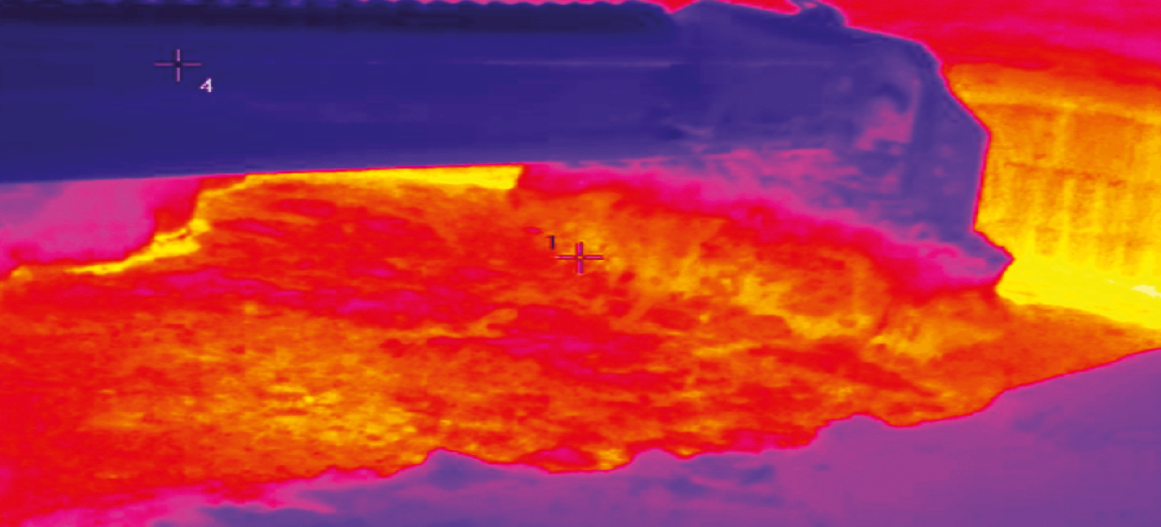
While the extreme heat & harsh conditions of the tapping process render traditional visual monitoring ineffective, Long-Wave Infrared (LWIR) thermal imaging provides a robust, non-contact solution. By exploiting the distinct thermal emissivity profiles of slag & liquid steel, LWIR cameras can instantly & accurately differentiate between the two materials in real-time, ensuring optimal de-slagging & premium steel quality.
Hardware Setup and Detection Principles
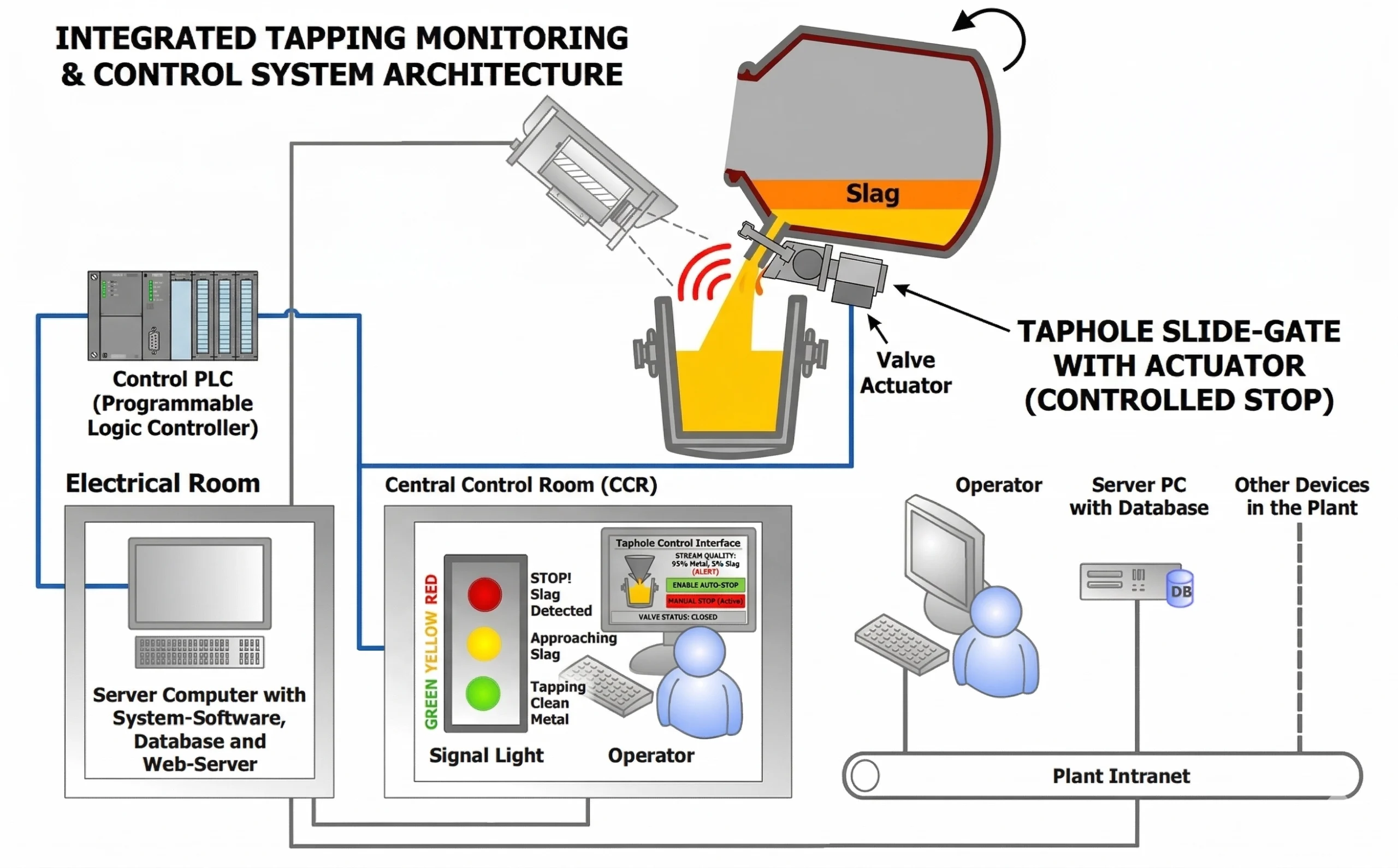
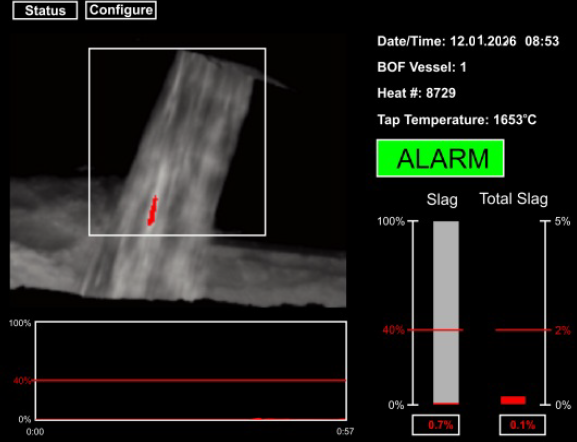
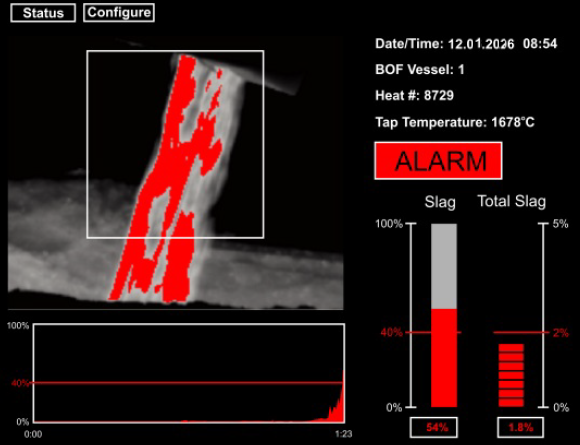
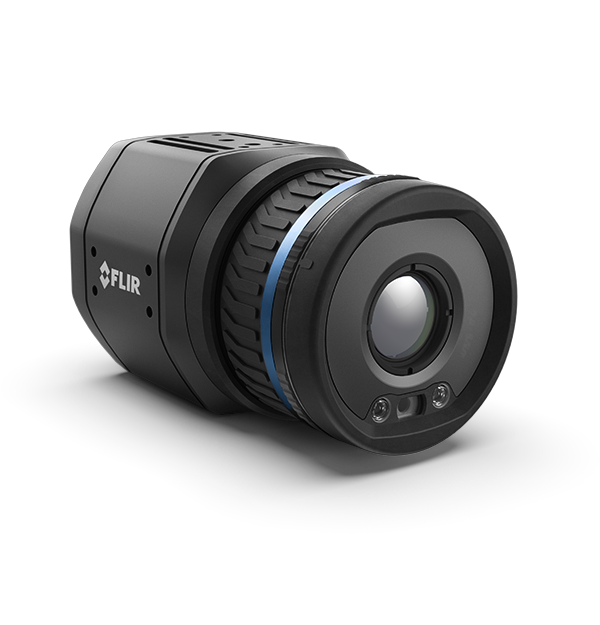
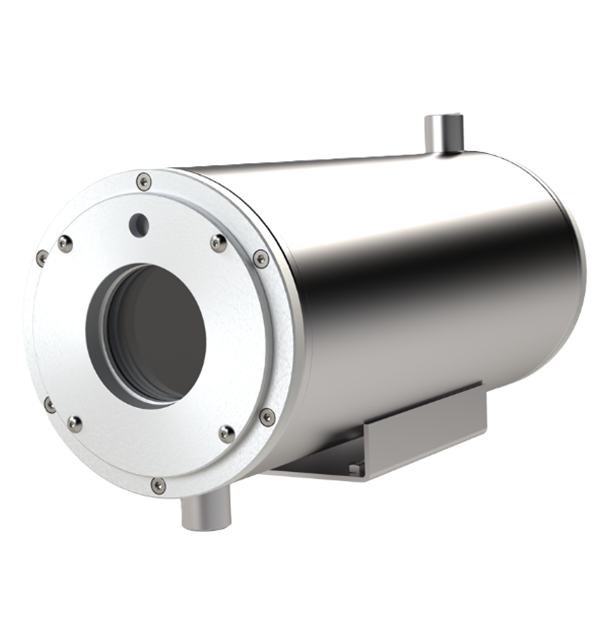
To ensure continuous operation in harsh environments, the FLIR infrared camera is enclosed in a robust liquid- or air-cooled housing and mounted at a safe standoff distance from the casting beam. The system’s core detection capability relies on thermal emissivity. Because slag possesses a significantly higher emissivity than pure molten metal, the camera can instantly pinpoint the resulting thermal contrast on the melt surface and locate slag. This continuous, real-time data stream is routed directly to a central workstation, allowing operators to immediately identify and remove slag before it compromises the casting process.
Automated Process Control
Beyond visual monitoring, the thermal data serves as a critical input for closed-loop automation. When the system detects the specific temperature differential indicative of slag, it can automatically trigger corrective protocols—ranging from instant operator alerts to a complete halt of the tapping process. By seamlessly integrating this thermal detection with automated pouring and tapping controls, facilities can effectively eliminate slag contamination and guarantee a consistent, high-quality metal output.
In a steel plant, the raking process (most commonly referred to as slag raking or de-slagging) is the mechanical method used to physically scrape and remove the floating layer of slag from the surface of molten iron or steel. As slag is less dense than molten metal, it floats to the top, much like oil on water. Raking is the brute-force, physical extraction of this layer.
Raking typically occurs at specific stages in the steelmaking process where the metal is held in a ladle. A very common location is right after the Hot Metal Desulfurization station (before the molten iron goes into the Basic Oxygen Furnace/BOF) or at the Ladle Metallurgy Furnace (LMF).
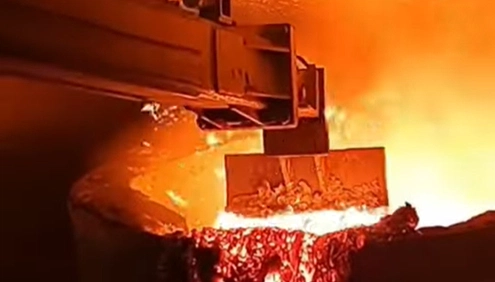
The process uses a massive piece of equipment called a de-slagging machine with a long, robust, hydraulically or pneumatically driven arm which literally drags or “rakes” the viscous, crusty slag over the lip of the ladle so it falls into a waiting slag pot below.
The Role of Thermal Imaging in Raking
This is exactly where the Long-Wave Infrared (LWIR) cameras provide immense value. During the raking process, the operator controls the mechanical arm, often dealing with blinding glare, heavy smoke, and extreme heat. It can be very difficult for the human eye to see exactly when all the highly emissive slag has been successfully raked off, or if the rake is dipping too deep and accidentally pulling out valuable liquid metal.
By aiming a thermal camera at the ladle during the raking process, the operator gets a clear, real-time visual contrast on their monitor. They can see exactly where the “hot/bright” slag remains and when the surface is completely clear, ensuring a highly efficient and clean de-slagging operation without wasting good steel. The processing or image acquisition happens only within the duration between IN and OUT signals of boom. This occurs for 3-4 seconds when no boom could be seen inside the ladle free board. Within this time only, the images are being captured for processing.
Huge install base with a proven track record
Designed for extreme harsh outdoor environments
Highest thermal resolution (640×480) available in the industry for accurate measurements
Industry’s best thermal range to ensure temperatures up to 2000°C that can distinguish a spillage from a hotspot due to refractory weakening
Radiometric accuracy ±2 °C
Best distance to spot-size ratio, as high as 5800:1
Wide array of optics: lenses ranging from 6° to 80°
High image frequency of 30 frames/sec to ensure zero event loss
Best in class thermal sensitivity (<25 mK) to capture even the smallest temperature deviation
Rugged industrial enclosure with IP67 protection class, liquid/ air cooling facility, unmatched design to prevent entry of iron dust and moisture (includes explosion proof variants)
Automatic alarm generation with email / text message alerts in case of anomalies
State-of-the-art in-house Software with at-a-glance decision making, analytics, reporting
Multiple communication protocols like RTSP, TCP/IP, GigE, Rest API, FTP, SMTP, and MODBUS
Fixed Mount Automation Cameras:
Thermal Surveillance Cameras: https://flir-hitech.com/product/fixed-mount-cameras/
Torpedo & Ladle Monitoring: https://flir-hitech.com/torpedo-ladle-monitoring/
Flare Stack Monitoring: https://flir-hitech.com/flare-monitoring/
Smart Raking System: https://flir-hitech.com/slag-detection-system-smart-raking-system/
Slag Detection System: https://flir-hitech.com/slag-detection-system-smart-raking-system/
Kiln Monitoring: https://flir-hitech.com/kiln-monitoring/